Clumping vs Non-Clumping Cat Litter: Which Is Better?
Clumping vs non-clumping cat litter compared on how each works, odor, cleanup, weight, dust, cost, and self-cleaning boxes, with advice on which to buy.
 By Melinda Dixon
Updated October 15, 2026
By Melinda Dixon
Updated October 15, 2026

Clumping cat litter turns urine into solid clumps you scoop out, so the rest of the box stays clean and you top it up instead of dumping it. Non-clumping litter, such as crystals, pine pellets, or plain clay, absorbs urine into the litter itself, so you scoop solids, stir, and replace the whole box on a schedule. For most homes, and for every rotating self-cleaning box, clumping is the easier choice; non-clumping makes sense for crystal-tray systems, pellet sifting boxes, and owners who want lighter bags.
This comparison uses two popular litters as examples, Dr. Elsey’s Ultra (clumping clay) and Fresh Step Clean Care Crystals (non-clumping), along with published specifications and Amazon owner ratings. It is research-based, not a home trial.
This guide is general product information, not veterinary advice. If your cat’s litter box habits change, such as straining, going outside the box, or producing much more or less urine than usual, contact your veterinarian.

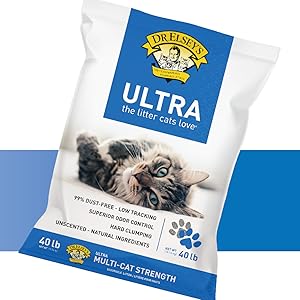
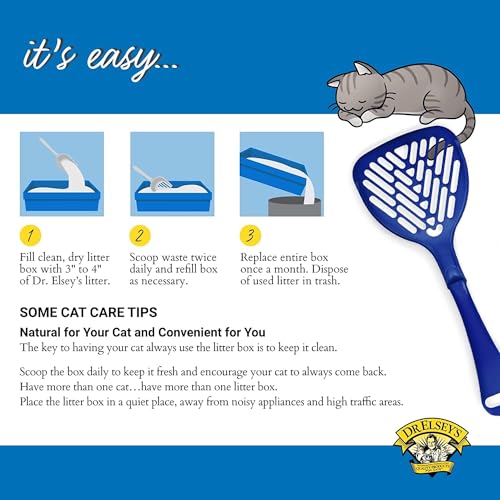
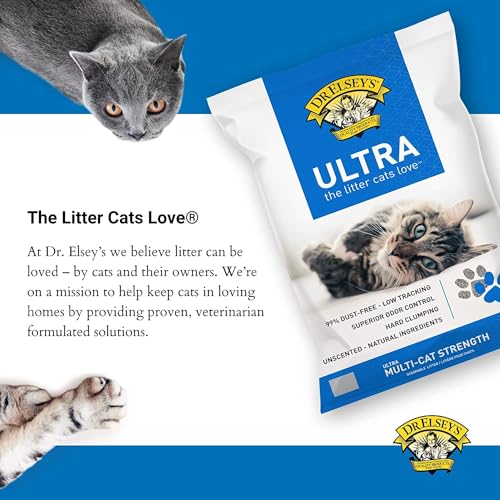
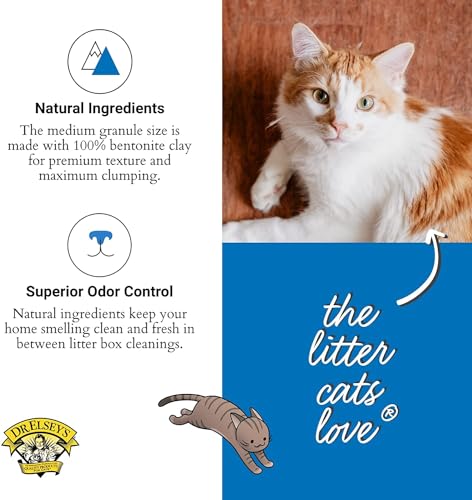
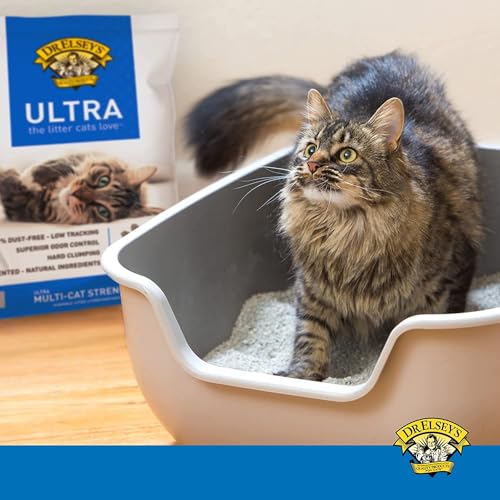
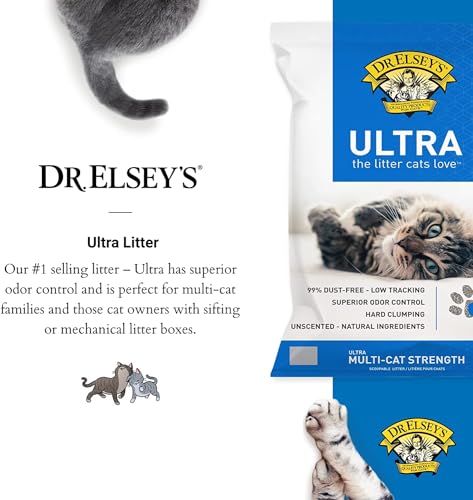
Prime Dr. Elsey's Ultra Unscented Clumping Clay Cat Litter
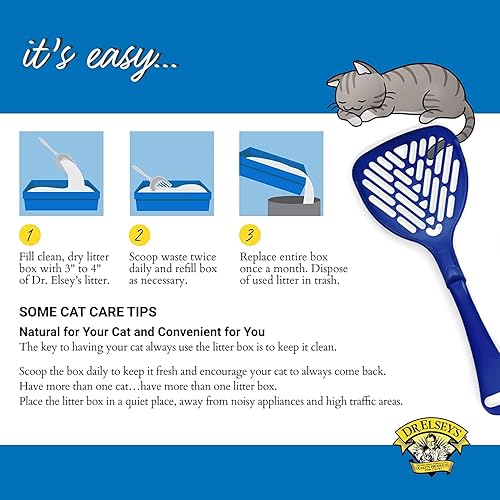
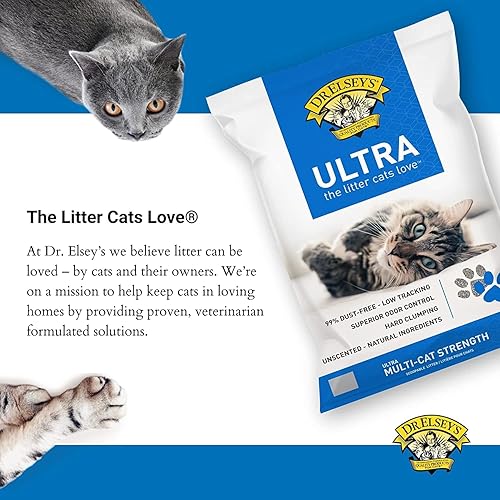


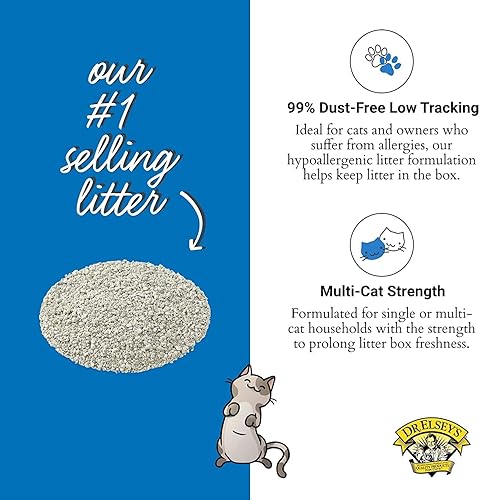


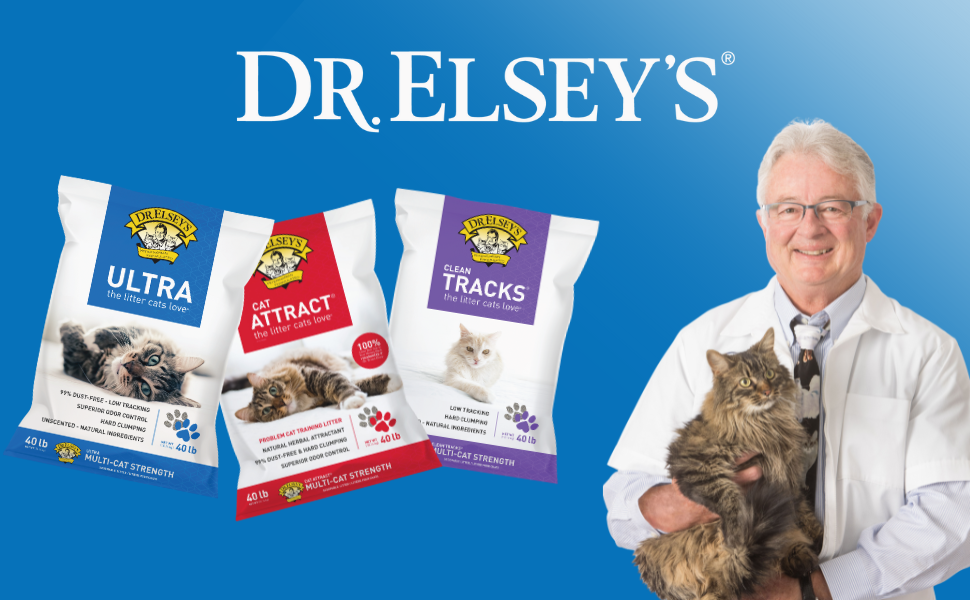

As an Amazon Associate we earn from qualifying purchases. Product prices and availability are accurate as of the date/time indicated.

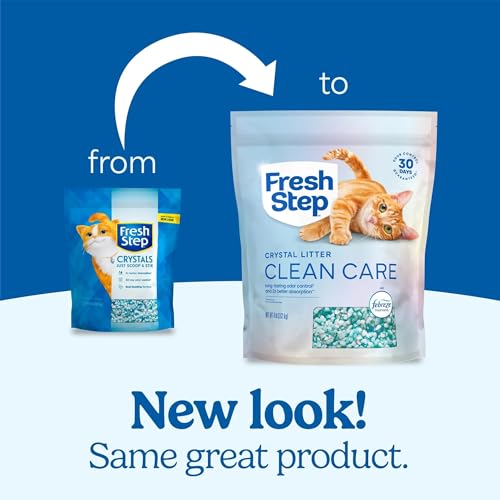
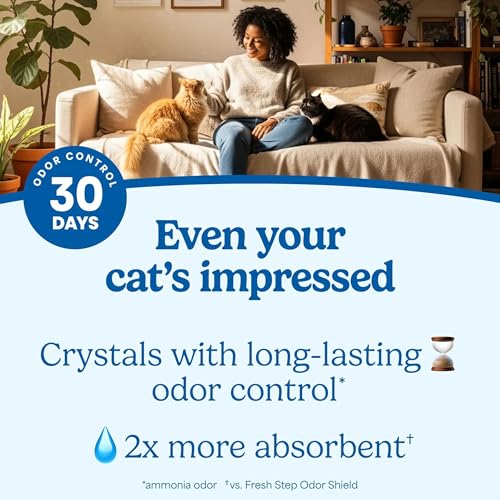
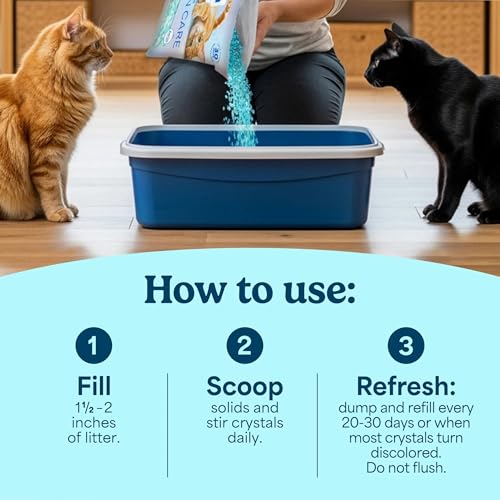
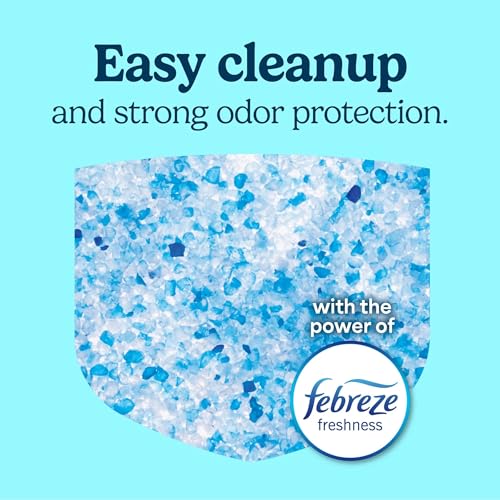
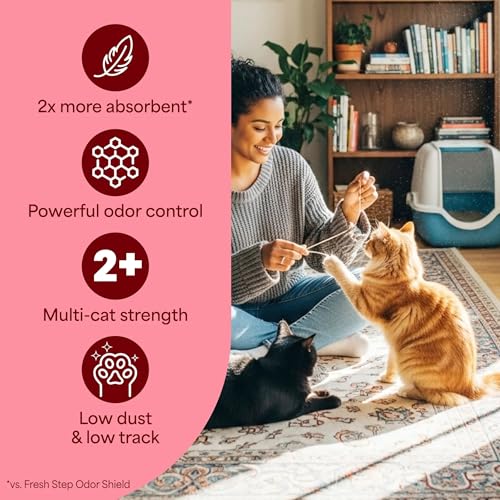
Prime Fresh Step Clean Care Crystal Cat Litter





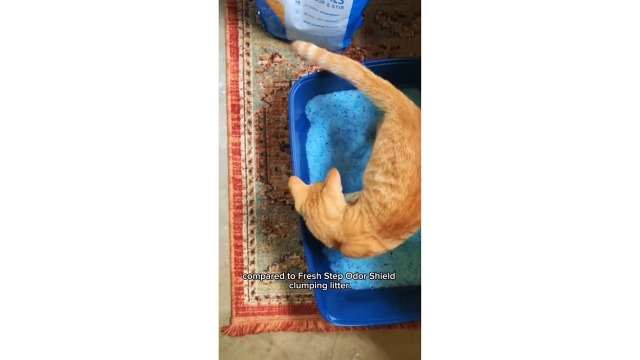
As an Amazon Associate we earn from qualifying purchases. Product prices and availability are accurate as of the date/time indicated.
Clumping vs Non-Clumping Cat Litter at a Glance
| Clumping (Dr. Elsey’s Ultra) | Non-clumping (Fresh Step Crystals) | |
|---|---|---|
| Material | 100% bentonite clay | Silica crystals |
| How urine is handled | Forms hard clumps you scoop out | Absorbed into the crystals |
| Daily routine | Scoop clumps and solids, top up | Scoop solids and stir |
| Bag (listed) | 40 lb | Two 8 lb bags |
| Maker’s odor claim | Formulated for single or multi-cat homes | Up to 30 days of odor control |
| Self-cleaning boxes | Works with rotating and raking boxes | Only crystal-tray systems or boxes the maker approves |
How Each Type Works
Clumping litter is usually bentonite clay, which swells and binds when wet. Each clump holds one visit’s urine, so scooping removes it from the box completely. Dr. Elsey’s describes its Ultra formula as forming hard clumps that keep moisture off the bottom of the pan.
Non-clumping litter absorbs urine instead. Silica crystals soak it up and dry out solid waste; Fresh Step says to scoop and stir its crystals. Pine pellets break into sawdust as they absorb, which is why pellet users pair them with a sifting litter box. Once the litter is saturated, you replace all of it.
Odor and Cleanup
With clumping litter, odor control depends on scooping: remove the clumps every day and the litter left behind stays fresh. With crystals, the litter itself holds the urine, so odor control depends on the crystals’ capacity and on changing the box on time. Fresh Step claims up to 30 days of odor control for its crystals, but more cats use up any litter faster. For formulas built around odor, see our best cat litter for odor control.
Weight, Dust, and Cost
Clay is heavy: Dr. Elsey’s Ultra comes in a 40 lb bag. Crystals are much lighter, and Fresh Step sells them as two 8 lb bags, which matters if you carry litter up stairs. Both makers market their litter as low dust; Dr. Elsey’s lists Ultra as 99.9% dust-free and Fresh Step says its small crystals minimize dust.
On cost, clumping clay usually costs less per pound, but you throw away clumps and top up often. Crystals cost more per pound, but you replace them less often. Compare the current price per pound and how many cats you have before deciding.
Self-Cleaning Boxes and Health Watching
Rotating and raking self-cleaning boxes are built around clumping litter; Whisker, for example, says the Litter-Robot requires it. Crystal-tray systems like the PetSafe ScoopFree are the exception, built for crystals only. See our Litter-Robot litter guide and PetSafe ScoopFree review.
Clumps also make changes easier to spot: a clump that is much larger or smaller than usual is a sign to watch. With either litter, straining, frequent trips with little urine, or blood in the urine are reasons to call your veterinarian the same day.
Which Should You Buy?
- Choose clumping litter for a standard box or a rotating self-cleaning box, for daily scooping with fewer full changes, or if you want to see each clump. Dr. Elsey’s Ultra is an unscented example; see our Dr. Elsey’s review and our best cat litter picks.
- Choose non-clumping litter for a crystal-tray box, a pellet sifting box, or if you want lighter bags and scheduled full changes.
- Switch gradually either way: mix the new litter into the old over a week or so, since some cats dislike a sudden change in texture.
Why You Should Trust Us
We do not conduct our own product trials; our picks draw on published specifications, independent reviews, and Amazon owner ratings, which also set each product’s ICL Score. We may earn a commission from qualifying purchases, but that never affects our verdicts or scores. Read the full method in How We Review.
Frequently Asked Questions
Is clumping or non-clumping cat litter better?
For most cats and most boxes, clumping litter is easier to keep clean. Non-clumping litter suits crystal-tray systems, pellet sifting boxes, and owners who prefer lighter bags.
Is crystal cat litter clumping?
No. Silica crystals absorb urine rather than clumping, so you scoop solids, stir, and replace the litter on a schedule.
Can I use non-clumping litter in a self-cleaning litter box?
Only if the box is designed for it, like a crystal-tray system. Rotating and raking boxes need clumping litter, so check the maker’s guidance.
Is clay cat litter clumping?
Bentonite clay litter clumps. Some plain clay litters do not, so check the label for the word “clumping” or “scoopable.”
About the author
Melinda Dixon covers cat litter and odor cleanup for IndoorCatLab. Each guide compares litter types, manufacturer specifications, owner ratings, and published independent reviews, and explains what labels do and do not claim.